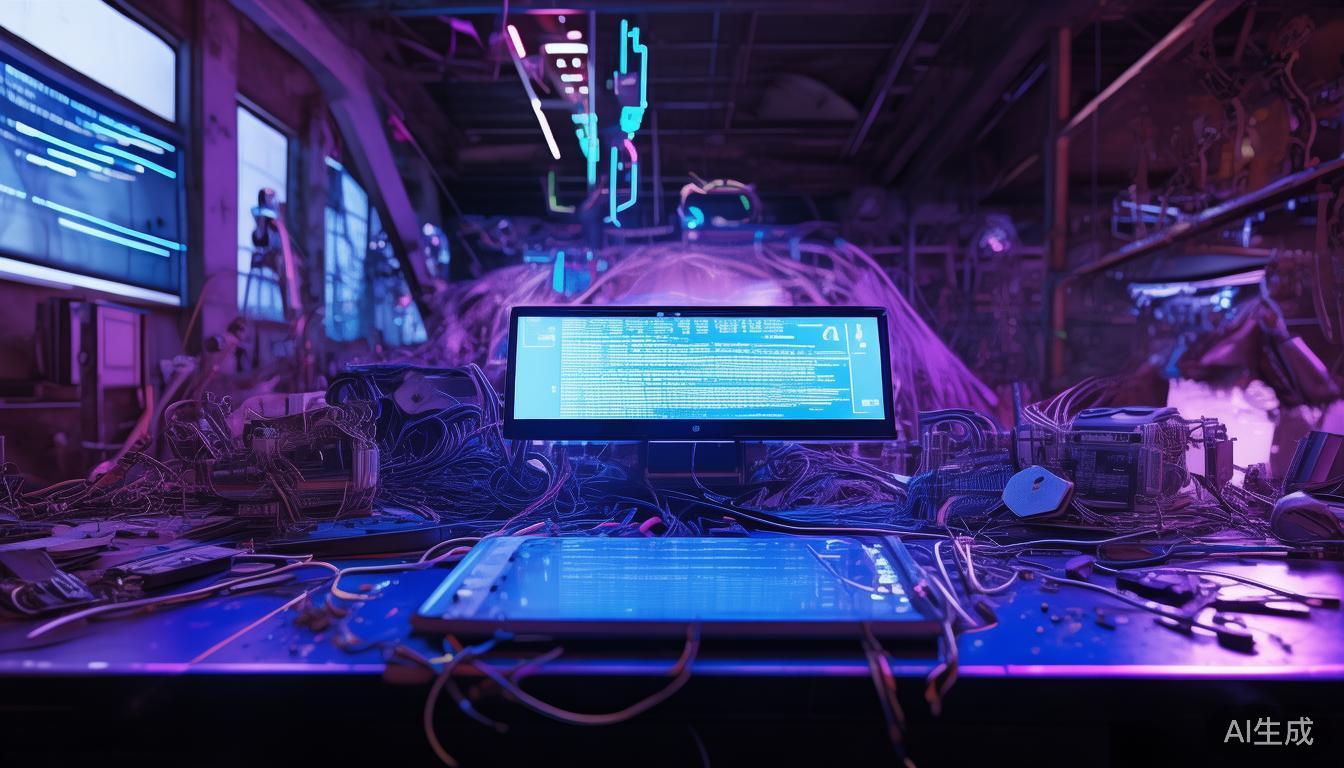
使用事故特斯拉 Model 3 零件在办公桌上运行特斯拉 Model 3 计算机
汽车技术领域正在不断发展,电动汽车(EV)处于创新的前沿。特斯拉在这方面一直处于领先地位,不仅体现在性能和效率上,还体现在驱动其车辆的计算机能力上。特斯拉 Model 3 配备了复杂的计算机系统,可处理从导航到自动驾驶功能的一切。但如果你能把同样的技术运行在你的办公桌上会怎样?这正是某位有远见的黑客使用事故特斯拉 Model 3 零件实现的。
改造:重新构想特斯拉计算模块
特斯拉 Model 3 计算能力的核心是其定制构建的计算机系统,通常称为特斯拉计算模块(TCM)。该系统设计为高效且强大,能够处理现代电动汽车所需的复杂任务。该项目的黑客(仅被称为“xdavidhu”)决定深入了解 TCM 的工作原理以及如何将其用于不同场景。
这个过程始于从事故特斯拉 Model 3 中获取 TCM。这些车辆虽然已无法上路行驶,但仍包含可回收的宝贵组件。TCM 特别是一个计算能力的宝库,集成了处理器、内存和专为汽车应用设计的专用硬件。
拆解与分析
项目的第一步是拆解 TCM 以了解其架构。这需要仔细使用烙铁、精密工具和敏锐的观察力。黑客记录了整个过程每一步,提供了 TCM 内部组件的详细分解。
以下是内部布局的简化示例:
+-------------------+
|   特斯拉计算模块   |
|    (TCM)          |
+-------------------+
| CPU:              |
| - 定制特斯拉      |
|   处理器          |
| 内存:             |
| - 8GB LPDDR4     |
| 存储:             |
| - 32GB eMMC      |
| 专用硬件:         |
| - NXP i.MX6       |
| - 神经网络        |
|   加速器          |
+-------------------+
为 TCM 供电
一旦拆解 TCM 并识别其组件,下一个挑战就是将其在车辆外供电。TCM 设计为在特定电压范围和电流消耗下运行,因此需要定制电源。黑客使用电压调节器和稳压电路的组合来确保 TCM 获得正常运行所需的电源。
软件与兼容性
硬件就位后,下一步是使用合适的操作系统让 TCM 运行。特斯拉计算模块设计为运行针对汽车应用优化的 Linux 定制版本。然而,在办公桌上运行此软件需要一些额外的工作。
黑客需要确保 TCM 与标准软件库和工具兼容。这可能涉及移植某些驱动程序或修改现有软件以适应 TCM 的架构。这是一项复杂的任务,需要深入理解嵌入式系统和软件开发。
定制外壳与散热
最后,TCM 需要被放置在一个合适的外壳中,提供足够的散热和防护。黑客设计了一个定制外壳,集成了风扇和散热器,以保持 TCM 在最佳温度下运行。这至关重要,因为 TCM 设计为在特定温度范围内运行,过热会导致性能问题甚至永久性损坏。
此项目的意义
这个项目不仅仅是一个酷炫的改造;它对汽车行业和更广泛的科技社区都具有重大意义。以下是原因:
了解汽车计算
通过逆向工程特斯拉计算模块,黑客提供了对现代电动汽车计算需求的宝贵见解。这些知识可用于为其他汽车应用开发更高效、更强大的计算系统,从高级驾驶辅助系统(ADAS)到完全自动驾驶汽车。
推广再利用和回收
使用事故车辆零件构建功能齐全的计算机系统突出了再利用和回收的重要性。而不是让有价值组件被浪费,该项目展示了它们如何被回收并用于新用途。这在电动汽车的背景下尤其相关,因为电池和计算模块可能难以负责任地处理。
鼓励 DIY 和开源文化
黑客的项目也鼓励 DIY 和开源创新文化。通过记录过程并与社区分享,黑客激励其他人探索类似的项目。这种协作和知识共享可以推动技术快速发展,就像 Raspberry Pi 或 Arduino 等其他开源项目一样。
挑战与考量
虽然该项目令人印象深刻,但它并非没有挑战。以下是一些关键考量:
硬件限制
TCM 是为汽车应用设计的,这意味着它有特定的硬件限制。例如,它可能不支持最新的软件标准,或者与商用现货(COTS)计算机的性能水平相同。这可能导致软件开发和兼容性成为重大挑战。
法律和伦理问题
使用事故车辆零件引发了法律和伦理问题。黑客需要确保他们有权回收和再利用这些组件。此外,还有关于数据安全和隐私的问题,因为 TCM 可能包含来自车辆操作的敏感信息。
维护和寿命
维护像所描述的这种定制构建系统绝非易事。黑客需要准备好进行持续维护,包括软件更新、硬件更换和故障排除。如果没有适当的维护,系统可能无法长时间可靠运行。
总结:这意味着什么
使用事故特斯拉 Model 3 零件在办公桌上运行特斯拉 Model 3 计算机的项目是科技社区创造力和智慧的证明。它不仅突出了再利用和回收的潜力,还提供了对汽车计算的宝贵见解。通过逆向工程和再利用 TCM,黑客创建了一个独特的探索和创新平台。
该项目还强调了开源文化和 DIY 精神的重要性。通过分享他们的工作并鼓励其他人探索类似的项目,黑客为不断增长的爱好者和创新者社区做出了贡献。在一个技术不断发展的世界里,像这样的项目提醒我们总有新的可能性可以探索。
归根结底,这个项目不仅仅是一个酷炫的改造;它是技术行业创新和可持续性的象征。通过再利用和重新构想现有技术,我们可以创造新的机会并推动可能的边界。
Running Tesla Model 3's Computer on My Desk Using Parts from Crashed Cars
The world of automotive technology is constantly evolving, with electric vehicles (EVs) at the forefront of innovation. Tesla, in particular, has been a trailblazer, not just in terms of performance and efficiency but also in the computational power that drives its vehicles. The Tesla Model 3, in particular, is equipped with a sophisticated computer system that handles everything from navigation to autonomous driving features. But what if you could take that same technology and run it on your desk? This is exactly what one enterprising hacker has achieved, using parts from crashed Tesla Model 3s.
The Hack: Reimagining the Tesla Compute Module
The core of the Tesla Model 3's computational prowess is its custom-built computer system, often referred to as the Tesla Compute Module (TCM). This system is designed to be highly efficient and powerful, capable of handling the complex tasks required for modern EVs. The hacker behind this project, identified only as "xdavidhu," decided to take a closer look at what makes the TCM tick and how it could be repurposed for a different context.
The process begins with sourcing the TCM from crashed Tesla Model 3s. These vehicles, while no longer roadworthy, still contain valuable components that can be salvaged. The TCM, in particular, is a treasure trove of computational power, featuring a combination of processors, memory, and specialized hardware designed for automotive applications.
Disassembly and Analysis
The first step in the project is disassembling the TCM to understand its architecture. This involves careful work with soldering irons, precision tools, and a keen eye for detail. The hacker documents each step of the process, providing a detailed breakdown of the components inside the TCM.
Here’s a simplified example of what the internal layout might look like:
+-------------------+
|   Tesla Compute   |
|    Module (TCM)   |
+-------------------+
| CPU:              |
| - Custom Tesla    |
|   Processor       |
| Memory:           |
| - 8GB LPDDR4     |
| Storage:          |
| - 32GB eMMC      |
| Specialized HW:   |
| - NXP i.MX6       |
| - Neural Network  |
|   Accelerator    |
+-------------------+
Powering the TCM
Once the TCM is disassembled and its components are identified, the next challenge is powering it outside of the vehicle. The TCM is designed to operate within a specific voltage range and current draw, so a custom power supply is necessary. The hacker uses a combination of voltage regulators and稳压电路 to ensure the TCM receives the power it needs to function correctly.
Software and Compatibility
With the hardware in place, the next step is to get the TCM running with a suitable operating system. The Tesla Compute Module is designed to run a custom version of Linux, optimized for automotive applications. However, running this software on a desk requires some additional work.
The hacker needs to ensure that the TCM is compatible with standard software libraries and tools. This might involve porting certain drivers or modifying existing software to work with the TCM's architecture. It’s a complex task that requires a deep understanding of both embedded systems and software development.
Custom Enclosure and Cooling
Finally, the TCM needs to be housed in a suitable enclosure that provides adequate cooling and protection. The hacker designs a custom enclosure, incorporating fans and heat sinks to keep the TCM running at optimal temperatures. This is crucial, as the TCM is designed to operate within a specific temperature range, and overheating can cause performance issues or even permanent damage.
The Significance of This Project
This project is not just a cool hack; it has significant implications for both the automotive industry and the broader tech community. Here’s why:
Understanding Automotive Computing
By reverse-engineering the Tesla Compute Module, the hacker provides a valuable insight into the computational requirements of modern EVs. This knowledge can be used to develop more efficient and powerful computing systems for other automotive applications, from advanced driver-assistance systems (ADAS) to fully autonomous vehicles.
Promoting Repurposing and Recycling
Using parts from crashed cars to build a functional computer system highlights the importance of repurposing and recycling. Instead of letting valuable components go to waste, this project demonstrates how they can be salvaged and repurposed for new uses. This is particularly relevant in the context of EVs, where battery and compute modules can be difficult to dispose of responsibly.
Encouraging DIY and Open-Source Culture
The hacker’s project also encourages a culture of DIY and open-source innovation. By documenting the process and sharing it with the community, the hacker inspires others to explore similar projects. This kind of collaboration and knowledge-sharing can lead to rapid advancements in technology, as seen in other open-source projects like Raspberry Pi or Arduino.
Challenges and Considerations
While the project is impressive, it’s not without its challenges. Here are some of the key considerations:
Hardware Limitations
The TCM is designed for automotive applications, which means it has specific hardware limitations. For example, it might not support the latest software standards or have the same level of performance as a commercial off-the-shelf (COTS) computer. This can make software development and compatibility a significant challenge.
Legal and Ethical Concerns
Using parts from crashed cars raises legal and ethical concerns. The hacker needs to ensure that they have the proper permissions to salvage and repurpose these components. Additionally, there are questions about data security and privacy, as the TCM might contain sensitive information from the vehicle’s operation.
Maintenance and Longevity
Maintaining a custom-built system like the one described is no easy task. The hacker needs to be prepared for ongoing maintenance, including software updates, hardware replacements, and troubleshooting. Without proper care, the system might not function reliably over time.
Takeaway: What This Means
The project of running a Tesla Model 3’s computer on a desk using parts from crashed cars is a testament to the ingenuity and creativity of the tech community. It not only highlights the potential for repurposing and recycling but also provides valuable insights into automotive computing. By reverse-engineering and repurposing the TCM, the hacker has created a unique platform for exploration and innovation.
This project also underscores the importance of open-source culture and DIY精神. By sharing their work and encouraging others to explore similar projects, the hacker contributes to a growing community of tinkerers and innovators. In a world where technology is constantly evolving, projects like this remind us that there are always new possibilities to explore.
Ultimately, this project is more than just a cool hack; it’s a symbol of the potential for innovation and sustainability in the tech industry. By repurposing and reimagining existing technology, we can create new opportunities and push the boundaries of what’s possible.